
Phong Nha
Caves, forested limestone and life along the Son River
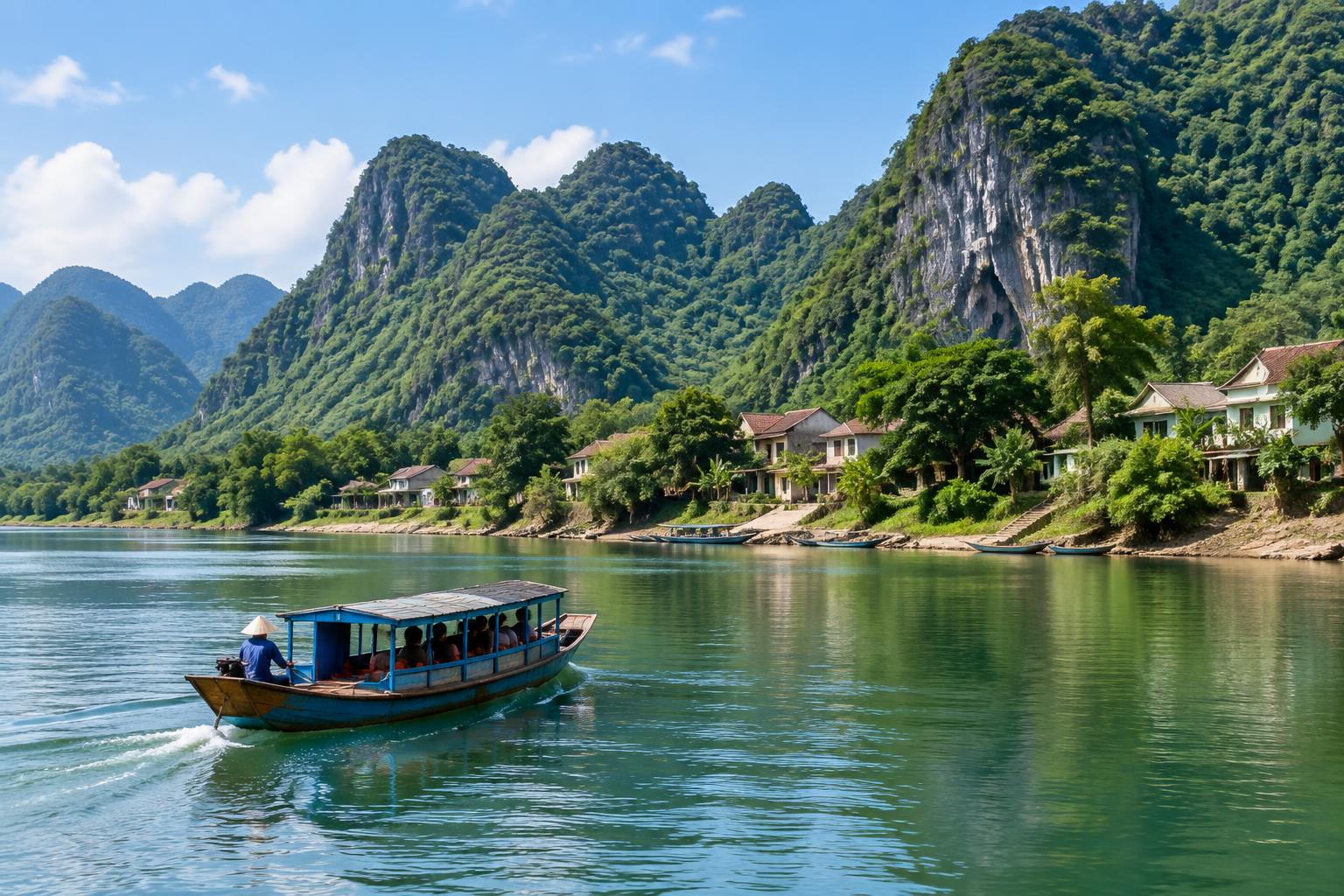
Phong Nha is a riverside base for one of Vietnam’s most remarkable limestone landscapes. The Phong Nha–Ke Bang area is recognised by UNESCO for its karst geology, caves and biodiversity. Above ground, forested hills and the Son River give the area a gentle rural atmosphere; below ground, very different cave experiences require very different levels of preparation.
Choose the cave experience first
A visit to Phong Nha Cave commonly begins with a boat journey on the river and continues into the cave when conditions allow. Paradise Cave offers a contrasting dry-cave experience with large chambers and established visitor walkways. Neither should be confused with a multi-day expedition. Even standard sightseeing may involve steps, slopes, boarding boats or walking on damp surfaces.
Adventure is not a standard day trip
Longer cave and jungle expeditions can involve swimming, scrambling, camping and sustained physical effort. Access to restricted caves requires authorised operators and the relevant permissions. Son Doong, in particular, is not a casual add-on or a walk-in attraction. Suitability, equipment, permits, season and availability need specialist confirmation before an expedition becomes part of a journey.
Time above ground
A stay need not revolve entirely around caves. Short countryside walks, suitable cycling routes and time beside the river can provide a gentler day between excursions. Choose activities that respect protected areas and local communities; do not enter caves or forest trails independently where access is restricted. Rural accommodation locations vary, so balance the setting you want with the transfer time to each activity.
How much time to allow
Two or three nights gives a useful introduction, allowing a cave visit, a countryside day and some flexibility. A specialist expedition needs its own schedule and recovery time beyond this suggestion. Avoid arriving after a long journey and immediately beginning the most demanding activity. Travellers who dislike enclosed spaces may prefer riverside scenery or limited cave sightseeing rather than an extended underground route.
Where Phong Nha fits
Connections are generally planned through the Dong Hoi area, with a road transfer to Phong Nha. It can form part of an overland journey through central Vietnam or a focused nature stop. Travel distances are meaningful; check the sequence carefully rather than assuming that every central destination is close to the next.
Choosing Phong Nha tours and cave experiences
Separate accessible sightseeing from expedition-style cave activities when describing your preferences. A private Vietnam itinerary can include countryside time and selected cave visits without assuming that every traveller wants a demanding trek. Tell the specialist about mobility, swimming confidence and comfort in enclosed spaces. Activity requirements, availability and seasonal conditions need checking for the specific experience before it enters a confirmed plan.
Practical travel information
Seasonality and safety: Heavy rain and flooding can close river caves, roads and expedition routes, particularly during the wetter part of the year. Follow local safety decisions and retain an alternative day.
Getting there: Dong Hoi provides airport and rail connections, followed by road travel. Check current schedules before arranging onward connections.
Before choosing activities: Confirm steps, swimming requirements, fitness assessment, age restrictions and included equipment with the authorised operator. Never touch formations, leave litter or enter restricted caves without permission.
Connect your Vietnam itinerary
Tell us about the trip you're imagining
Nothing here is priced or booked. Start a conversation and an Asiatravel specialist designs the journey around you.