
Hanoi
Lakes, old streets and the living culture of the capital
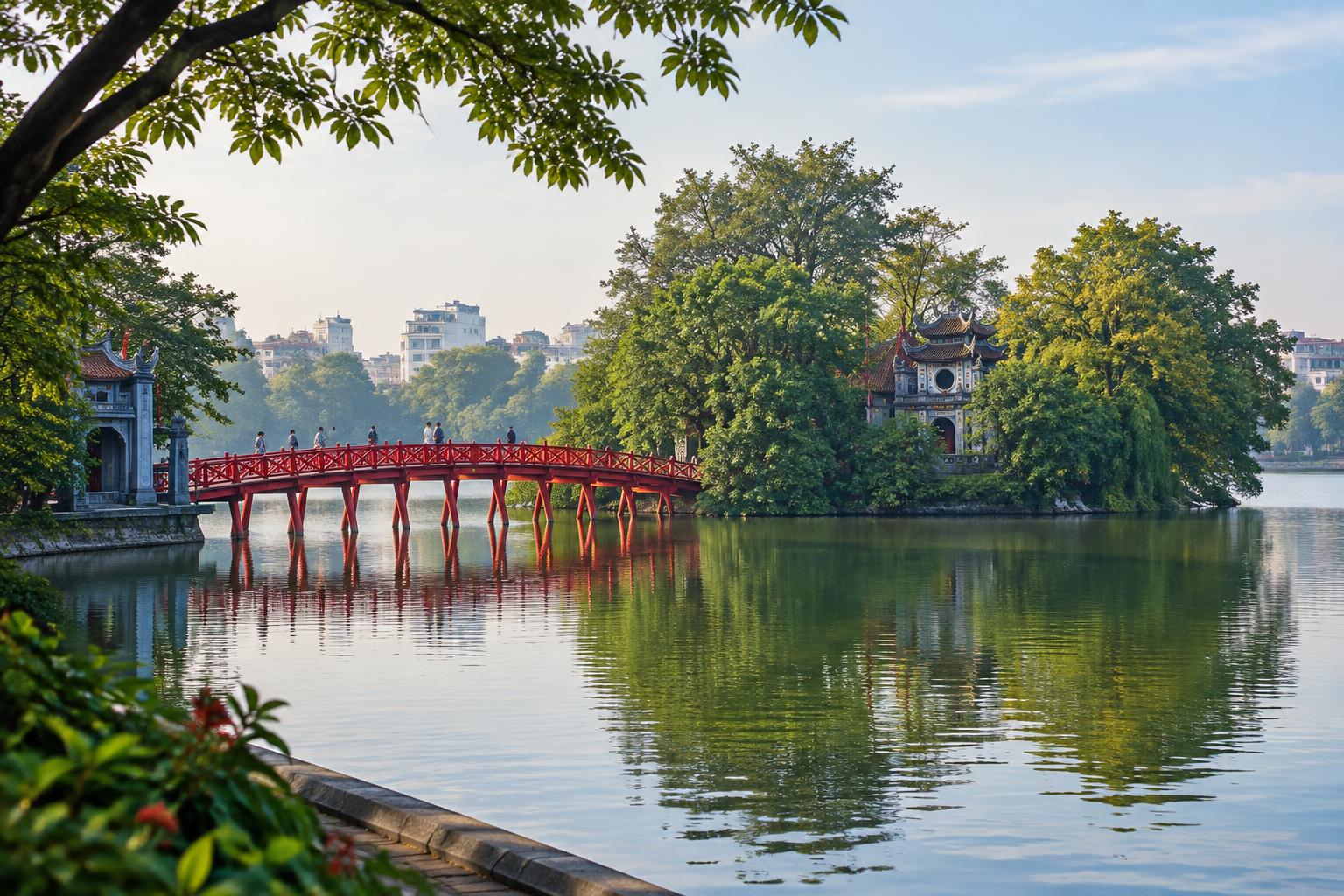
Hanoi is a city best understood at walking pace. Around Hoan Kiem Lake, early-morning exercise gives way to busy pavements, small cafés and the trade streets of the Old Quarter. Beyond them are leafy boulevards, courtyards and museums that reveal different chapters of Vietnam’s history. The contrast is part of the attraction: the capital feels intimate and energetic at the same time.
What makes Hanoi distinctive
Begin with the Old Quarter and the lake rather than a long checklist. Streets associated with particular trades sit beside contemporary shops and family-run kitchens. The Temple of Literature offers a different atmosphere, with gates, courtyards and a history tied to learning. For a wider cultural perspective, the Vietnam Museum of Ethnology introduces the diversity of the country’s communities; allow additional travel time as it is outside the central lake area.
Food, coffee and everyday life
A bowl of pho, bun cha served with grilled pork, or a small cup of egg coffee can be as memorable as a monument. A guided food walk can help explain ingredients and local habits, but dietary needs should be discussed beforehand: fish sauce, broths, peanuts and shared preparation surfaces may not be obvious. Leave space for an unhurried café stop and a walk through a neighbourhood away from the busiest visitor streets.
How much time to allow
Two or three nights is a useful starting point, not a fixed requirement. Spend one day around the lake and Old Quarter, then give another to history, museums and food. A third day allows a slower rhythm or another neighbourhood. Trying to combine every major museum with an out-of-town excursion in a short stay usually means more time in traffic than expected.
Where Hanoi fits in a journey
Hanoi connects naturally with Ninh Binh, the limestone bays and the northern mountains. These are separate travel legs, not nearby city attractions. Build in a realistic transfer day and some flexibility after an international arrival. If you prefer gentle days, balance the busy capital with countryside time rather than adding more city stops.
Visiting thoughtfully
Cover shoulders and knees at temples, follow local photography rules and ask before photographing people closely. Pavements can be uneven and shared with parked motorbikes; crossing busy roads and walking in summer heat may require a gentler route. Travellers with mobility needs should check entrances, walking distances and transport arrangements before choosing activities.
Hanoi tours and Vietnam itinerary ideas
A Hanoi private tour can focus on history, food or everyday neighbourhood life instead of combining every sight into one day. Discuss walking comfort, dietary needs and the balance between guided visits and independent time. For a longer tailor-made Vietnam tour, consider Hanoi with Ninh Binh or a limestone-bay stay; allow separate travel time for each. These are planning ideas, not a confirmed tour package.
Practical travel information
Getting there: Noi Bai Airport serves Hanoi. Transfer time to central districts depends on traffic; allow a buffer rather than relying on a fixed journey time.
Seasonality: Spring and autumn often offer comfortable walking weather. Summer is hot, humid and rainy; winter can be cool, damp and misty. Conditions vary from year to year.
Planning notes: Check museum schedules and religious-site access close to travel. Carry water, sun protection and a light layer appropriate to the season. Discuss allergies and mobility requirements before confirming activities.
Connect your Vietnam itinerary
Tell us about the trip you're imagining
Nothing here is priced or booked. Start a conversation and an Asiatravel specialist designs the journey around you.