
How Many Days in Vietnam
Giving the country enough room
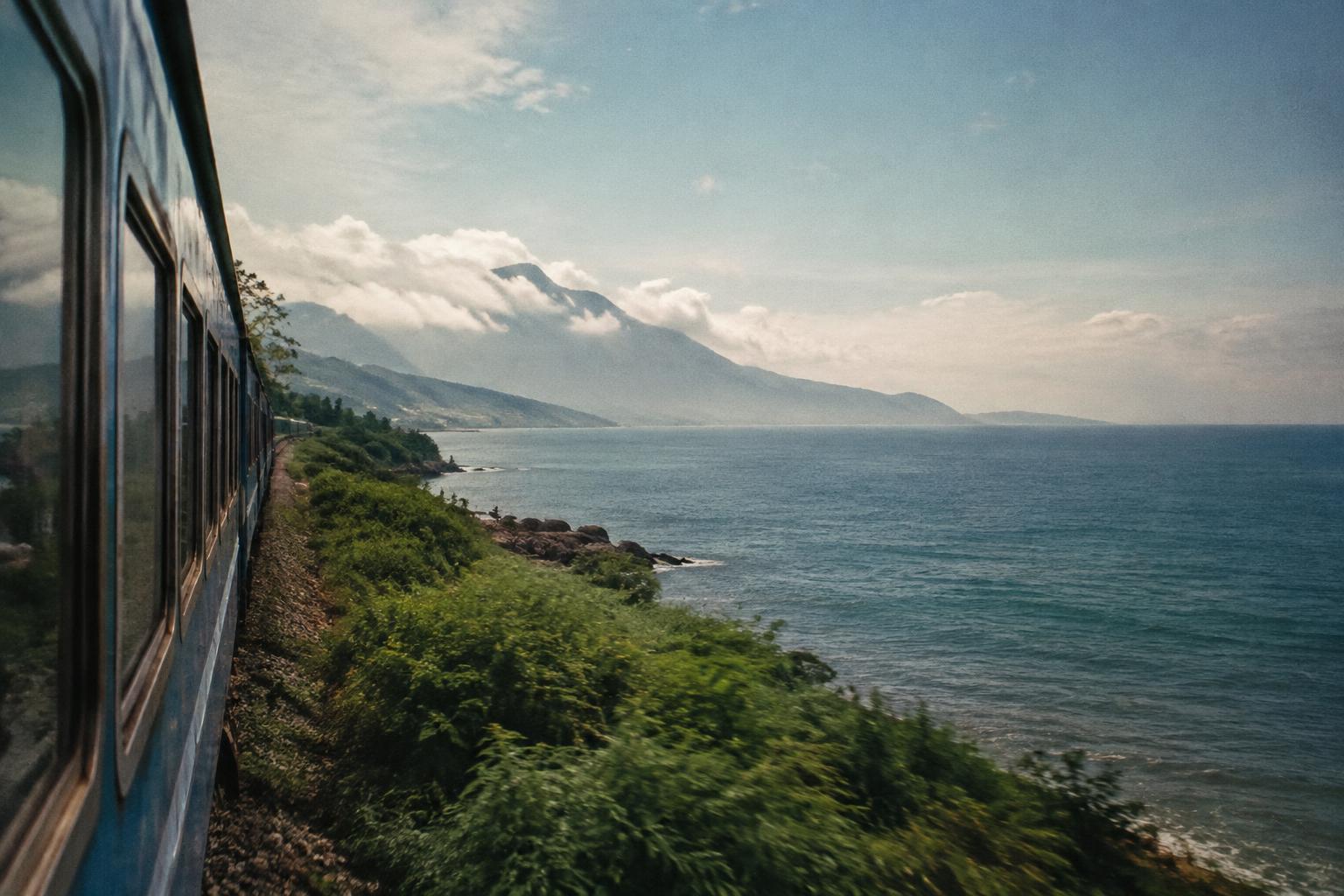
The right trip length depends on how you want to travel, not on a fixed list of places you must see. A week can provide a satisfying introduction to one region. A longer visit makes contrasts easier, but only if transfers, rest and personal interests are accounted for. Count full days on the ground and hotel changes before deciding whether another destination really fits.
Use nights and full days accurately
Seven nights do not always mean seven useful sightseeing days. Your arrival may be late, departure may be early and an internal move may occupy much of a day. Two nights in a destination usually provide only one uninterrupted day there. Counting this way makes an itinerary feel more honest from the beginning.
Include overnight cruises and trains as accommodation changes, not as time-saving extras with no recovery cost. For children, older travellers or anyone who finds packing tiring, the number of moves may matter more than the total duration.
Five to seven nights: depth in one region
For a short northern visit, Hanoi with Ninh Binh or a bay stay can offer both city life and landscape. Trying to add mountain travel as well can leave little time anywhere. In central Vietnam, Hue and Hoi An can create a focused cultural trip with some countryside or coast time when conditions suit.
In the south, Ho Chi Minh City and a thoughtfully chosen Mekong Delta visit may provide sufficient contrast. These are examples, not fixed routes. Choose the region that matches your interests and international flight options rather than trying to include all three.
Eight to ten nights: choose contrast carefully
This length often works for one region in depth or two regions with a limited number of bases. Hanoi plus Hoi An, for example, offers different city and cultural experiences, while a north-only route can include more landscape without another domestic flight. The better option depends on what you want, not on which sounds more comprehensive.
A suggested structure might use three nights in the first base, an optional short landscape stay and four nights in a second base, with arrival and transfer time included. Adjust the pattern to flight timing and interests. Do not interpret example night counts as a promise that all activities fit.
Eleven to fourteen nights: two regions comfortably, or three selectively
With approximately two weeks, two regions can leave room for culture, food and rest. Three regions may be feasible if domestic connections suit and you are comfortable moving more frequently. The main risk is filling the longer trip with so many stops that it still feels rushed.
Decide what the third region adds. A modern-history interest may justify southern city time; a specific imperial-history interest may justify Hue. If the extra stop merely repeats something already covered, keep the nights where they can deepen the experience.
Fifteen to twenty-one nights: add depth before distance
A longer visit can include three regions, mountains, a delta stay or several beach nights, but it does not need to include all of them. Extra time can simply mean slower mornings, fewer rushed meals and a second day in a place you initially expected to visit briefly.
Consider a return trip as a legitimate option. Vietnam does not have to be completed in one holiday. A coherent itinerary that leaves you wanting to return is often better than one that includes every famous name but leaves no time to enjoy it.
Add nights where activity has hidden demands
Mountain stays involve travel and weather uncertainty. A cruise requires transfer and boarding time. Cave activities may require specific scheduling, suitable conditions and recovery. Beach stays need enough downtime to justify reaching the coast or island in the first place.
Do not place a demanding outing immediately after an overnight journey without considering fatigue. If a single weather-dependent activity is the reason for visiting, discuss a buffer or alternative rather than allowing a cancellation to undermine the entire route.
Shorten the route before speeding up every day
If your plan is too crowded, first remove a base, reduce backtracking or choose a destination closer to the route. Adding earlier starts and more evening travel may make the calendar work while making the holiday less enjoyable. Private transport does not eliminate long distances or airport procedures.
Compare priorities as a group. A person who values beaches may prefer an extra coastal night to another museum city; someone focused on food may benefit from revisiting a neighbourhood. Spend your time where it adds the most value for your own travellers.
What to share when requesting a plan
Provide arrival and departure dates if known, or your approximate nights and travel month. Include adults, children’s ages, preferred pace, main interests and any firm commitments. Mention whether an overnight boat or train is enjoyable for you or something you would rather avoid.
An AI-generated outline is a starting point. A specialist should verify current connections, travel times and activity availability before presenting a confirmed itinerary or commercial proposal.
Practical travel information
Count nights on the ground and uninterrupted days rather than flight-inclusive holiday length. Include hotel changes, transfers and recovery. Example routes are illustrative; current schedules and availability need verification.
Tell us about the trip you're imagining
Nothing here is priced or booked. Start a conversation and an Asiatravel specialist designs the journey around you.