
First Time in Vietnam
Where to start
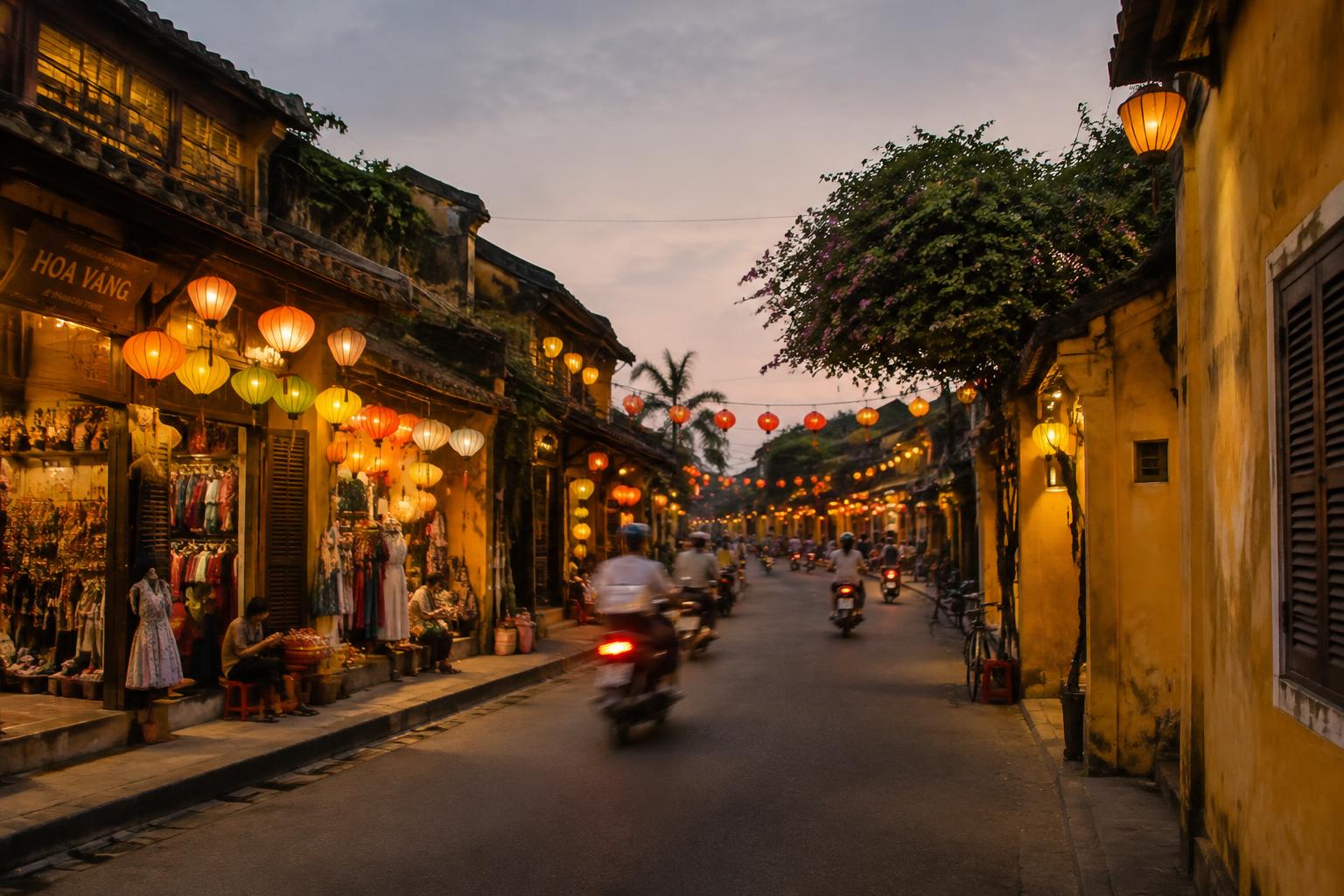
A first trip to Vietnam is easier to plan when you start with priorities rather than a map full of pins. Decide how long you can stay, what you want to experience and how much movement feels comfortable. The country offers city life, historical places, limestone landscapes, countryside and beaches, but including everything is not a requirement for a successful visit.
Begin with three decisions
First, count nights actually spent in Vietnam rather than the length of your holiday including international flights. Second, choose your main interests: food, history, scenery, activity or rest. Third, decide whether you prefer a few longer stays or a faster sequence of destinations. These choices provide a much better starting point than selecting hotels immediately.
For a short stay, one region may give you more meaningful time than a hurried north-to-south route. For a longer visit, two regions can offer contrast without constant movement. Three regions can work when you have sufficient time and accept that domestic travel occupies part of the trip.
Match places to the experience you want
Hanoi is a useful gateway for northern cultural visits, Ninh Binh's limestone landscape and bay excursions. Central Vietnam connects Hue's imperial history with Hoi An's trading-town heritage and coastal stays. Ho Chi Minh City provides an introduction to southern city life and routes into the Mekong Delta.
These are complementary possibilities, not compulsory stops. If beaches are your priority, season and coast location should drive the route. If you want mountain walking, fitness, travel time and weather matter more than whether the destination appears on a standard first-visit list.
Understand the real cost of moving
A domestic flight involves more than time in the air: packing, check-out, reaching the airport, waiting, collecting bags and another transfer all reduce sightseeing time. A road journey may be simpler but can be tiring, particularly for children or travellers prone to motion sickness.
Compare routes door to door. Arriving in one city and departing from another may reduce backtracking when suitable flights exist, but do not assume that this always costs less. Avoid tight connections between separately arranged journeys and keep demanding activities away from uncertain arrival times.
Check entry requirements through official channels
Visa and entry rules depend on your passport and circumstances and can change. Check the official Vietnam Immigration information and application channels before committing to travel. Do not rely on an old article, a social-media answer or a site's name that merely looks governmental.
Verify the passport details, dates, entry points and conditions relevant to your own application. Airlines may also check documentation before boarding. This guide does not determine your eligibility or promise an approval time; those questions need current official confirmation.
Plan money, connectivity and everyday transport
Vietnam uses the Vietnamese dong. Cash and card acceptance vary by setting, so keep a practical mix and use reputable exchange or banking services. Check your own bank's charges and do not assume that every market stall, small restaurant or rural property accepts cards.
For mobile connectivity, check whether your phone supports your chosen SIM or eSIM and arrange it through a reliable provider. Keep essential booking details available offline. For city journeys, confirm the pickup point and destination carefully; busy streets and similar place names can make casual arrangements confusing.
Make room for different street rhythms
Walking routes in cities can include uneven pavements, parked vehicles and busy crossings. Choose crossings carefully, remain attentive and do not step into traffic simply because you have heard that vehicles will avoid you. Comfortable shoes and short walks with breaks may be more useful than an ambitious sightseeing distance.
At religious sites, follow clothing and photography rules. Ask before photographing people closely and treat markets and neighbourhoods as working environments. Courtesy and patience help more than trying to follow a rigid schedule in unfamiliar surroundings.
Build comfort and health into the itinerary
Heat, long flights and changes in food can affect how much you want to do. Leave the arrival day light, choose reliable drinking water and plan shade and rest where needed. Seek qualified advice for personal medical needs, vaccinations and insurance rather than treating general travel content as healthcare guidance.
Tell your planner about allergies, mobility concerns, children's ages and any non-negotiable requirements. Descriptions such as 'easy', 'family-friendly' or 'accessible' are too broad without details about steps, walking, seating and transport.
An example first-visit approach
With around ten nights, two or three bases within one or two regions can provide variety while preserving full days. With a longer stay, a third region may fit if transfers and downtime remain realistic. These are planning examples, not fixed packages or guarantees of availability.
Share your dates or travel month, total nights, travellers, interests, budget range and preferred pace with the concierge. A specialist should verify the route, current requirements and arrangements before anything becomes a confirmed booking.
Further reading
Vietnam Immigration Department: https://immigration.gov.vn/
Official Vietnam e-visa portal: https://evisa.gov.vn/
Practical travel information
Check current entry rules through official channels for your own passport. Share nights, interests, allergies and mobility needs. Verify current connections and service details; general advice is not a visa, medical or booking guarantee.
Tell us about the trip you're imagining
Nothing here is priced or booked. Start a conversation and an Asiatravel specialist designs the journey around you.