
Best Time to Visit Vietnam
Three climates, one country
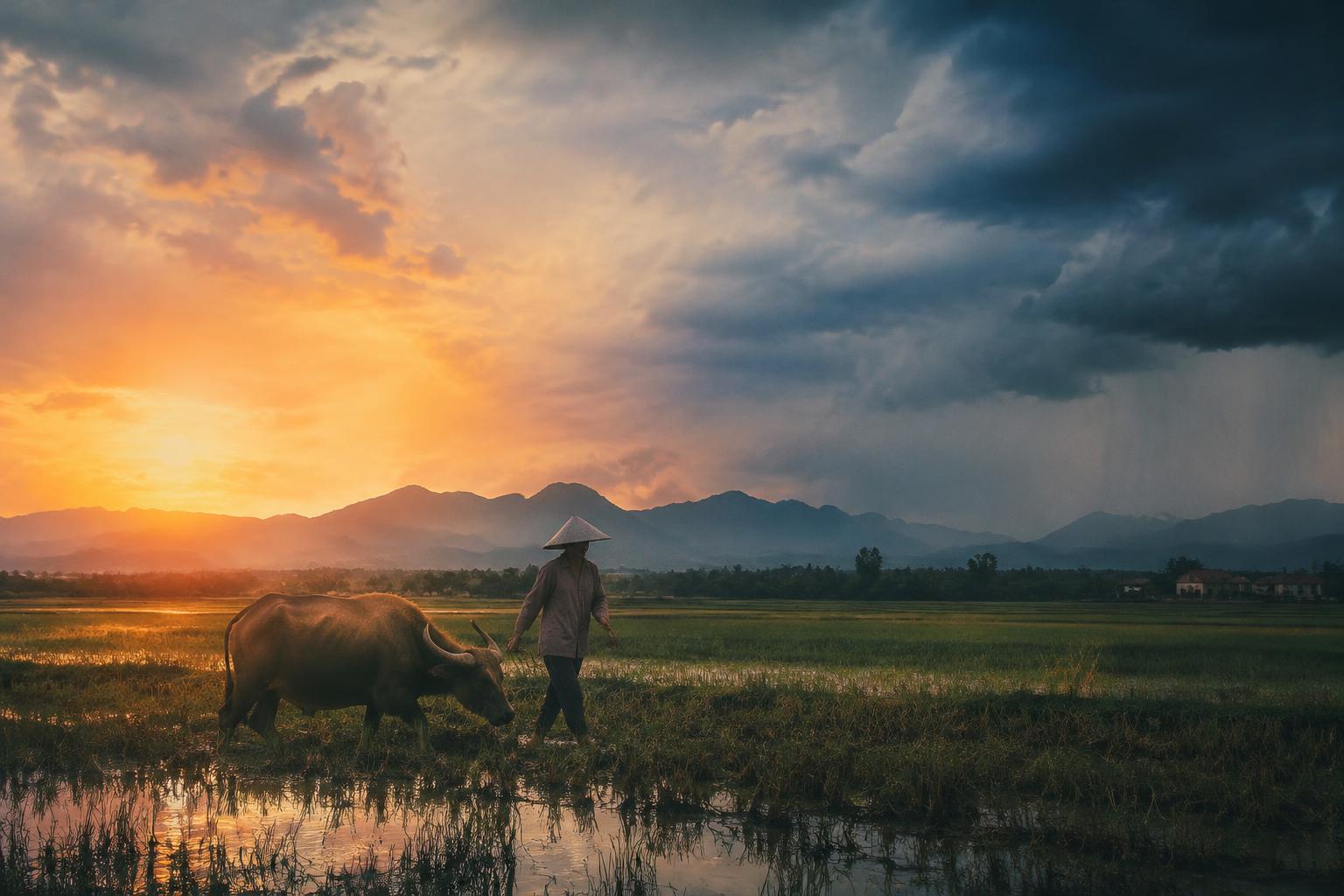
There is no single season that produces the same weather across Vietnam. The north, central coast and south have different patterns, while mountains and islands add further variation. The best time for your trip is the period that supports your most important experiences, with reasonable alternatives if conditions change. Climate guides describe tendencies, not a forecast for your travel dates.
Start with the activity that depends most on weather
A museum-led city visit is usually more adaptable than a beach holiday, bay cruise or mountain trek. Identify the weather-sensitive part first, choose a suitable region and season for that priority, then add other places around it. This approach is more useful than searching for one 'best month' for the whole country.
The national tourism board identifies March to May as a broadly useful countrywide window. That does not mean every destination will be dry, cool or clear. Heat, rainfall and local conditions still need to be considered separately, especially when planning strenuous activity or swimming.
Northern cities and limestone bays
Hanoi commonly has a cooler period from roughly December to March and hotter, wetter conditions through much of summer. Spring and autumn can be appealing for walking, although each brings its own variability. Pack layers for cooler visits rather than assuming tropical temperatures everywhere.
Ha Long Bay can be misty and cool in winter, and storms can affect summer sailings. April to June and September to November are often considered useful planning windows in the official tourism guide, but departures remain subject to weather decisions. If a cruise is essential, avoid making the rest of the itinerary depend on an inflexible onward connection.
Northern mountains need their own plan
Sapa and other higher areas can be significantly colder than Hanoi. Cloud, rain and fog affect views and walking conditions; winter mountain travel may require warm clothing even if your southern itinerary does not. Agricultural scenery also changes through planting and harvest cycles.
Do not choose a date solely for a photograph of green or golden terraces. Crop timing varies by location and conditions. Decide whether you would still enjoy the trip with limited visibility, and confirm the route's suitability when paths are wet or temperatures are lower than expected.
Hue, Hoi An and the central coast
Central Vietnam's wetter period differs from the north and south. Hue can experience extended rainy conditions, while Hoi An commonly has wetter months from around September into January. Heavy rain, tropical storms and flooding can affect visits, road access and coastal plans.
For Hoi An and the nearby coast, the warmer, generally drier part of the year often falls between roughly February and August. Summer heat can be substantial, so combine early sightseeing with rest rather than treating a dry month as automatically comfortable for all-day walking. Other central-coast destinations have their own patterns and should be checked individually.
Ho Chi Minh City and the Mekong Delta
Southern Vietnam is warm year-round with broadly distinct dry and rainy periods. The drier season commonly runs from around December to April; wetter conditions often develop from May to November. Rain may come in bursts, but heavy weather can also interrupt outings and affect roads or river activity.
A wet-season visit is not necessarily a poor choice for food, museums and city life. Build flexible days, keep rain protection handy and avoid assuming that all outdoor activities can proceed between showers. For island and beach stays, check the specific destination rather than applying city weather patterns to the sea.
Think about holidays as well as climate
Tet follows the lunar calendar and shifts against the Western calendar each year. It can be a culturally important period, but transport demand, business schedules and accommodation availability may change. Check the dates for your actual travel year and confirm which planned activities operate.
Other holiday periods can also affect popular places. Weather, crowding and availability are separate considerations: a pleasant season does not guarantee a quiet destination. If you have fixed school-holiday dates, choose suitable activities and a realistic pace rather than chasing an impossible perfect-weather itinerary.
Practical routes for different seasonal priorities
For a spring trip, cities and heritage sites across more than one region may provide a balanced starting point. For a summer visit, consider how to manage northern heat and rain and evaluate central-coast conditions carefully. For late-year travel, compare the central region's rain exposure with northern cool conditions and the south's seasonal pattern.
These are broad planning approaches rather than predictions. Check current forecasts near departure, follow local safety advice and discuss alternatives for cruises, caves, trekking or beach days. No planner should guarantee sunshine or that a weather-dependent activity will operate.
Practical travel information
Seasonal patterns are not forecasts. Check destination-specific weather and local safety advice close to travel. Verify holiday dates and activity operation, and discuss alternatives for cruises, trekking, caves and beach stays.
Tell us about the trip you're imagining
Nothing here is priced or booked. Start a conversation and an Asiatravel specialist designs the journey around you.