
Photography Travel
Make time for observation, not only a list of photo stops.
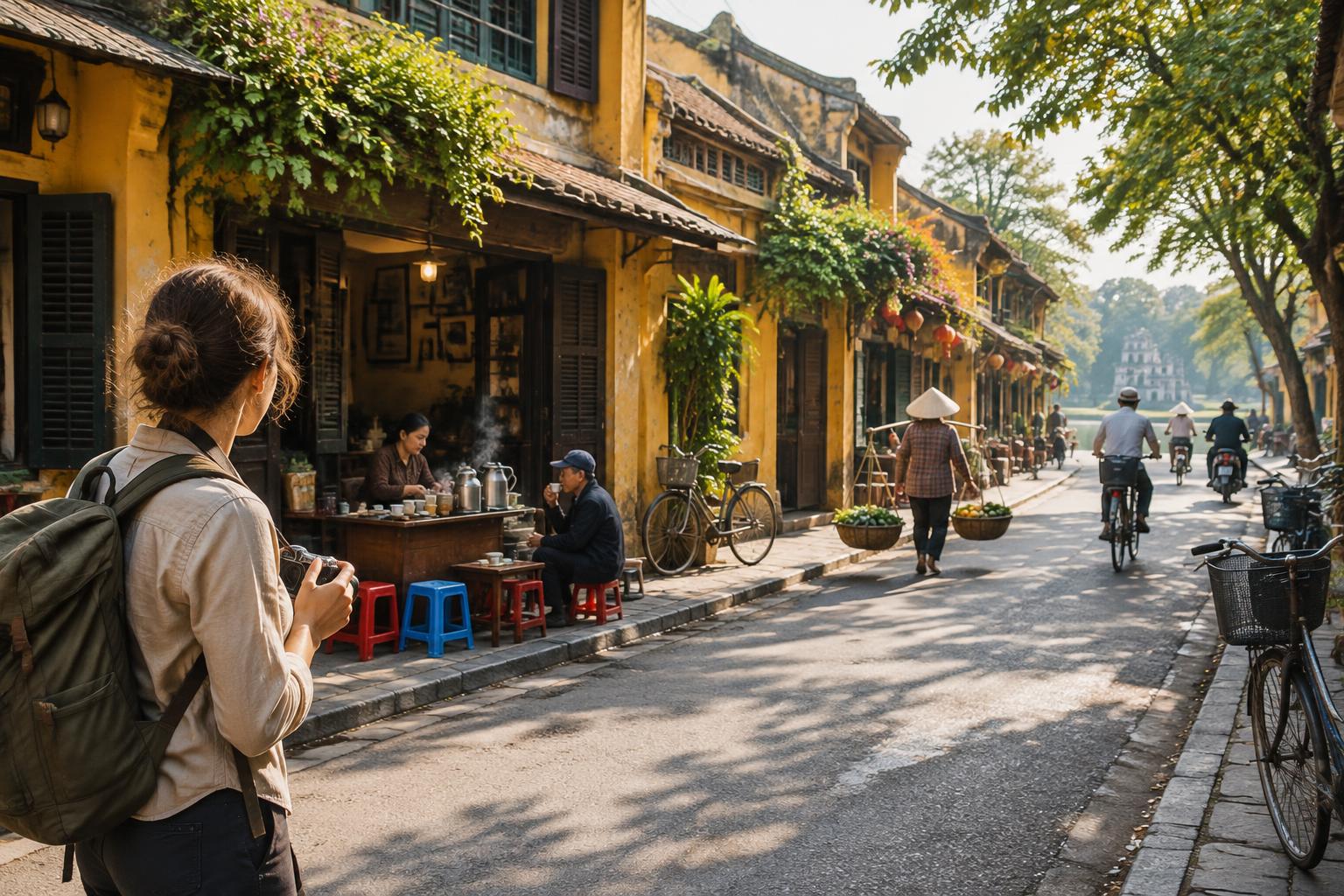
Photography travel in Vietnam can focus on street life, architecture, food or landscape, but a good photographic itinerary is not simply an ordinary tour with more camera stops. Light, patience and the chance to return to a place matter. Plan around the images you want to make while respecting the people and working environments you encounter.
Define your subject before choosing the route
A traveller interested in architecture needs different time from someone photographing mountains or markets. Tell your planner whether you prefer broad landscapes, details, candid street scenes or carefully arranged portraits. Mention whether photography is the main purpose of the trip or one interest among several.
Travel companions matter too. A long wait for changing light may be enjoyable for one person and frustrating for another. Alternate focused photography periods with shared meals, cultural visits and downtime rather than assuming everybody wants to follow the same early starts.
Northern cities and landscapes
Hanoi offers changing street scenes, lakes, architecture and food settings. Walk slowly, keep equipment secure and remain attentive to traffic. A market's busiest working moments are not an invitation to block deliveries or point a lens closely at someone without permission.
Ninh Binh and the limestone bays provide landscape subjects, while mountain areas introduce terraces and variable visibility. Agricultural scenery changes with the season and location. A particular field colour, clear mountain view or boat arrangement cannot be guaranteed for your dates.
Central heritage and coastal subjects
Hue, Hoi An and My Son offer different architectural and historical settings. Give yourself time to understand what you are photographing instead of treating a sacred site or conserved monument as a backdrop. Follow access restrictions, tripod rules and instructions from site staff.
In Hoi An, evening light and street activity can be appealing but also crowded. A daytime return may reveal details you missed. Nearby countryside and coast broaden the subject matter when conditions suit, but shoreline appearance and weather should not be assumed from promotional images.
Southern city life and waterways
Ho Chi Minh City offers contrasts between older buildings, modern streets and everyday food culture. Select a few neighbourhoods rather than constantly transferring in search of unrelated images. Museums and interiors may restrict photography, so ask before setting up equipment.
In the Mekong Delta, waterways and agriculture shape the scene. Market activity depends on time and location, and boats or vendors should not be staged as a guaranteed spectacle. Household and farm access require agreement; people's ordinary lives are not automatically a photographic service.
Work with light and weather realistically
Early or late outings can offer different light, but exact sunrise, sunset and conditions vary by date. Build in rest if photography requires early starts. A longer stay may allow a second attempt instead of putting every hope on one morning.
Cloud, mist and rain can produce interesting images as well as disrupt plans. Carry appropriate protection and consider alternative subjects such as covered markets or architectural details where access is permitted. No itinerary should promise golden light, clear skies or an identical scene to an example photograph.
Consent is part of the photograph
Ask before making close portraits, especially of children, worshippers or people in their homes. Respect a refusal immediately. Do not offer gifts to children or encourage behaviour simply to create a scene. If a portrait session is arranged, clarify the person's consent and the arrangement beforehand.
Be considerate with cameras at sensitive museums and sites connected to loss or conflict. Avoid flash where prohibited and keep equipment out of walkways. A respectful image-making process is more important than obtaining a shot at any cost.
Equipment, access and specialist support
Pack equipment you can carry comfortably in heat, on steps and during transfers. Keep backup copies and spare power where practical. Ask whether an outing permits tripods, larger equipment or filming rather than assuming that personal-camera access includes every setup.
Drone use requires current checks on permissions and restrictions; do not fly simply because a location looks open. Also distinguish a local sightseeing guide from a photography instructor. If technical coaching or a specialist photographer is important, that service needs specific verification and agreement rather than inference from the itinerary theme.
Build a photography-friendly day
An example day might use one early subject, a relaxed breakfast, a shorter cultural visit and open time before a late-afternoon return. This is a pacing idea, not a booked workshop. Fewer locations can offer more creative attention than a constant sequence of stops.
Share your subjects, equipment, walking limits and willingness to revisit locations with the concierge. A specialist can assess access and logistics. Treat the generated illustration on this page as inspiration, not documentary evidence of a guaranteed view or arrangement.
Further reading
UNESCO — Hoi An Ancient Town: https://whc.unesco.org/en/list/948/
Practical travel information
Share photographic subjects, equipment and preferred start times. Verify access, tripod or filming rules and any specialist instruction. Obtain current permission before drone use and consent before close portraits; images and weather cannot be guaranteed.
Tell us about the trip you're imagining
Nothing here is priced or booked. Start a conversation and an Asiatravel specialist designs the journey around you.