
Nature & Adventure
Karst, caves, coast and highland
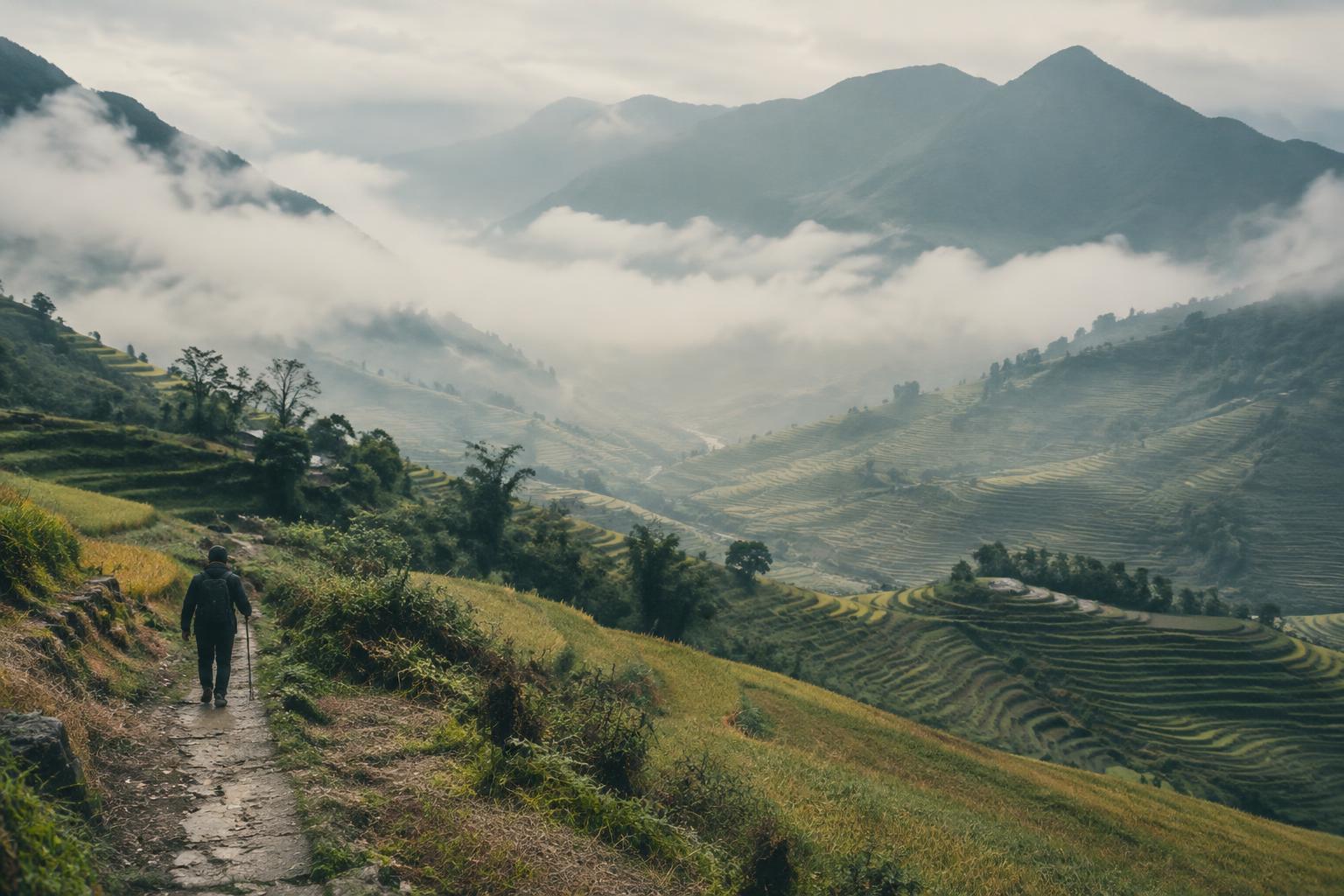
Vietnam offers very different ways to be outdoors: limestone landscapes reached by boat, mountain paths, cave visits and coastal activities. The right choice depends less on the word 'adventure' than on terrain, weather, access and your own experience. Start by deciding whether you want gentle scenery, an active day or a demanding expedition, then build the route around that level.
Distinguish scenic outings from technical activities
A boat excursion in Ninh Binh and a multi-day cave expedition are not variations of the same outing. One may involve getting in and out of a small boat; the other may require equipment, fitness screening and specialist supervision. Even a short walk can become difficult in heat, rain or on slippery steps.
Describe what you actually do at home: comfortable walking distance, experience on uneven ground, swimming confidence and any medical or mobility concerns. 'Moderately fit' means different things to different people. Ask for the activity's terrain, duration, elevation changes and exit options rather than trusting an easy/moderate label.
Northern mountains: landscape and community
Sapa's surrounding valleys offer mountain scenery and opportunities for walking, but routes vary substantially in steepness and surface. A short village walk and a full day on agricultural paths should not be presented as equivalent. Mountain weather can bring low visibility and cold conditions even when cities elsewhere are warm.
Rice terraces are working landscapes with changing agricultural cycles. Green fields, golden harvest scenes and clear views cannot be guaranteed for a particular date. Respect crops, ask before entering private land and arrange community visits with consent rather than treating people's daily work as a performance.
Ninh Binh: a gentler landscape option
Ninh Binh is useful when you want limestone scenery without committing to remote mountain travel. Boat trips, short walks and selected cultural sites can be combined in different ways. Viewpoints with many steps may be optional rather than necessary; a scenic day does not have to include a climb.
Check boarding arrangements, seating comfort, shade and the time spent on the water. A trip that looks effortless in a photograph may still be challenging for someone with knee pain, limited balance or a child who struggles to sit still. Allow a rest period rather than adding every attraction in the area.
Ha Long and Lan Ha: being on the water
The limestone seascape is the main attraction, but the name of a bay does not tell you everything about the day. Routes, embarkation points and permitted activities depend on the operator and conditions. Kayaking and swimming should be treated as optional activities subject to supervision and local rules, not automatic inclusions.
Ask whether suitable life jackets are available for every traveller, how boarding works and whether there is a comfortable alternative to an activity. Weather can disrupt departures or change the route. Keep onward arrangements flexible enough that a cancellation does not create an unsafe rush.
Phong Nha: choose the cave, not just the destination
Phong Nha is associated with caves and karst scenery, but visits range from more accessible sightseeing to strenuous activities. Confirm the exact cave and programme, not simply 'cave tour'. Ask about steps, darkness, water exposure, swimming, equipment and eligibility requirements.
More demanding outings need appropriately qualified supervision and clear operating arrangements. Do not enter restricted caves independently or assume that equipment supplied for one activity suits another. Heavy rain and flooding can affect access; alternatives should be discussed before a fixed travel schedule is built around a single cave experience.
Plan weather buffers and realistic recovery time
Avoid placing the most demanding day immediately after a long flight or overnight journey. Build in time to recover and consider what happens if the main activity cannot operate. A flexible museum, town or countryside day can be more useful than another strenuous substitute.
Pack for the activity rather than for an image of tropical Vietnam: footwear with appropriate grip, sun protection, a rain layer and any personal medication. Ask what is provided and what you must bring. Insurers may distinguish ordinary sightseeing from trekking, water sports and expeditions, so check your own cover before committing.
Leave a lighter footprint
Stay on permitted paths, carry litter out and avoid touching cave formations or disturbing wildlife. Do not feed animals, purchase wildlife products or approach nests for a photograph. In villages and on farms, ask permission and respect a refusal.
Choose activities whose safety and environmental arrangements can be explained clearly. 'Eco' is not proof of responsible practice; ask concrete questions about waste, group size, local access and animal encounters. Conservation is helped more by ordinary respectful behaviour than by an ambitious itinerary label.
Questions for the planning conversation
Tell the concierge which outdoor experience matters most and which activities you would rather avoid. Include fitness, children’s ages, swimming confidence and walking limits. A specialist should verify the specific activity, current access and practical requirements; an AI itinerary idea is not confirmation of safety or availability.
Further reading
UNESCO — Ha Long Bay–Cat Ba Archipelago: https://whc.unesco.org/en/list/672/
Practical travel information
Verify the exact route, fitness criteria, equipment, supervision and weather alternatives for each activity. Check personal insurance cover. Share medical or mobility concerns and swimming confidence; safety and availability require current human verification.
Tell us about the trip you're imagining
Nothing here is priced or booked. Start a conversation and an Asiatravel specialist designs the journey around you.