
Food & Local Life
Eating your way through the country
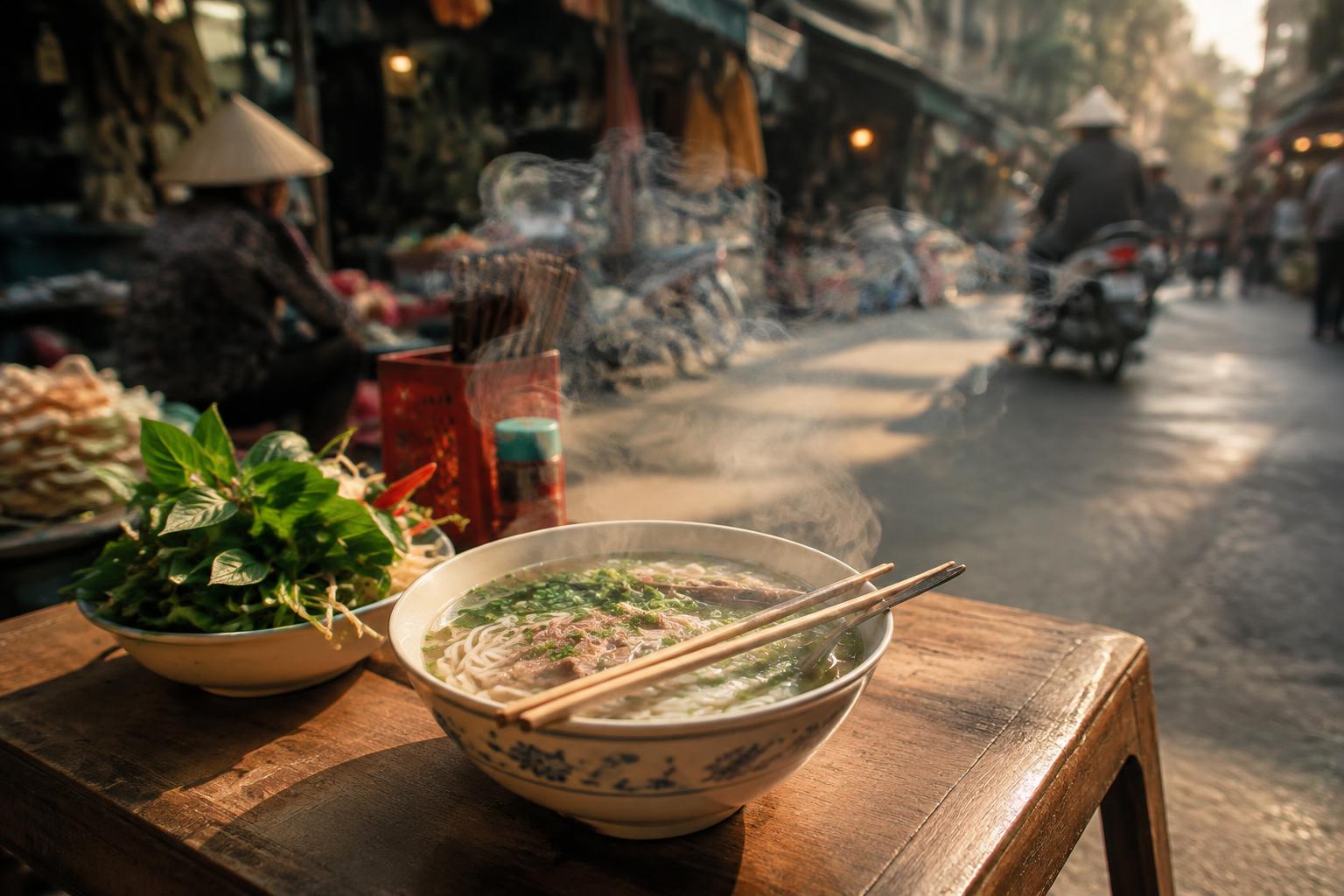
Food is one of the most direct ways to understand Vietnam, but a rewarding food-led trip is not a competition to try the most dishes. It is a chance to notice regional ingredients, meal times, markets and the social life around a table. Balance street eating with comfortable meals, explain dietary needs clearly and leave room to return to something you genuinely enjoyed.
Taste regional differences without turning them into rules
Vietnam's cuisine varies across regions and within them. Northern dishes are often associated with balanced broths and herb accompaniments; central Vietnam offers distinctive noodles and small dishes; the south brings tropical produce and its own combinations of sweet, sour and savoury flavours. These are useful starting points, not rules that describe every kitchen.
A north-to-south journey can become a tasting sequence, but you do not need to cross the country for variety. Several thoughtful days in one city can reveal breakfast stalls, family meals, coffee culture and modern Vietnamese cooking without another airport transfer.
Hanoi: build around a meal rather than a checklist
Bun cha is a useful introduction to Hanoi: grilled pork, noodles, herbs and a dipping broth create a meal that is assembled as you eat. Pho invites a different kind of attention to broth, noodles and accompaniments. Rather than choosing solely from online rankings, ask what a place specialises in and when it normally serves that dish.
A neighbourhood walk between breakfast and lunch can explain ingredients and daily routines better than continuous tasting. Markets are working places; stay clear of deliveries and ask before photographing vendors closely. Leave some appetite for an unplanned discovery rather than scheduling every mouthful.
Hue and Hoi An: distinctive dishes, different histories
Bun bo Hue provides an entry into Hue's food culture, but do not assume that every bowl has the same ingredients or heat level. Small dishes can be enjoyable to share; ask how they are eaten and what the sauces contain. A cultural visit and a focused lunch often pair better than a long tasting session immediately before strenuous sightseeing.
In Hoi An, cao lau offers a local noodle speciality worth understanding on its own terms. A cooking activity can add context, but confirm whether it involves a market visit, hands-on preparation or mainly a demonstration. Menus, kitchen access and availability vary by host.
Ho Chi Minh City and the Mekong Delta
In Ho Chi Minh City, banh xeo brings crisp texture, greens and dipping sauce together. The city also offers a wide range of contemporary dining, so a food trip need not mean street stalls at every meal. Mix settings to suit comfort, curiosity and dietary requirements.
The Mekong Delta changes the frame from the restaurant to the landscape. Fruit, farming and waterways help explain how food reaches the table. Market activity depends on location and timing; do not assume that every boat excursion includes a lively floating market or that visitors can enter working farms without prior agreement.
Allergies, vegetarian food and other dietary needs
Tell your planner whether a restriction is a preference, an intolerance or a potentially serious allergy. Fish sauce, stocks, shrimp paste, peanuts and shared utensils can be relevant even when a dish looks vegetarian. A request to remove an obvious ingredient does not establish that a meal is free from cross-contact.
For severe allergies, discuss your own emergency plan with a qualified clinician and carry the medication prescribed for you. A written explanation in Vietnamese may help communication, but nobody should promise an allergen-free street-food environment. If necessary, prioritise establishments that can answer specific ingredient questions over spontaneity.
Practical choices for comfortable street eating
Observe food handling, whether dishes are prepared fresh and whether the place suits your needs. Popularity alone is not a hygiene guarantee. Choose drinking water from a reliable source, wash or sanitise hands and avoid feeling obliged to eat something that makes you uncomfortable.
Low stools, narrow spaces, traffic and heat may be harder than the food itself. Explain mobility needs and ask whether the route can include ordinary-height seating, toilets and breaks. Families may prefer two or three small tastes followed by a predictable meal rather than a long evening of unfamiliar dishes.
A balanced food-focused day
An example day could begin with a local breakfast, continue with a short market walk and pause during the hottest part of the day. An afternoon coffee stop and a relaxed dinner then provide different perspectives without overeating. This is an itinerary idea, not a promise that a private host or particular restaurant is included.
Ask what the proposed food activity covers, how much walking is involved, whether drinks are included and how substitutions work. The best plan leaves room for curiosity while making restrictions, costs and comfort explicit before anything is booked.
Practical travel information
Explain allergies and dietary restrictions before selecting activities. Ingredient substitutions do not guarantee freedom from cross-contact. Confirm seating, walking, drinks and substitutions; seek qualified medical advice for personal allergy and health planning.
Tell us about the trip you're imagining
Nothing here is priced or booked. Start a conversation and an Asiatravel specialist designs the journey around you.