
Comfortable & Slow Travel
Fewer places, more time
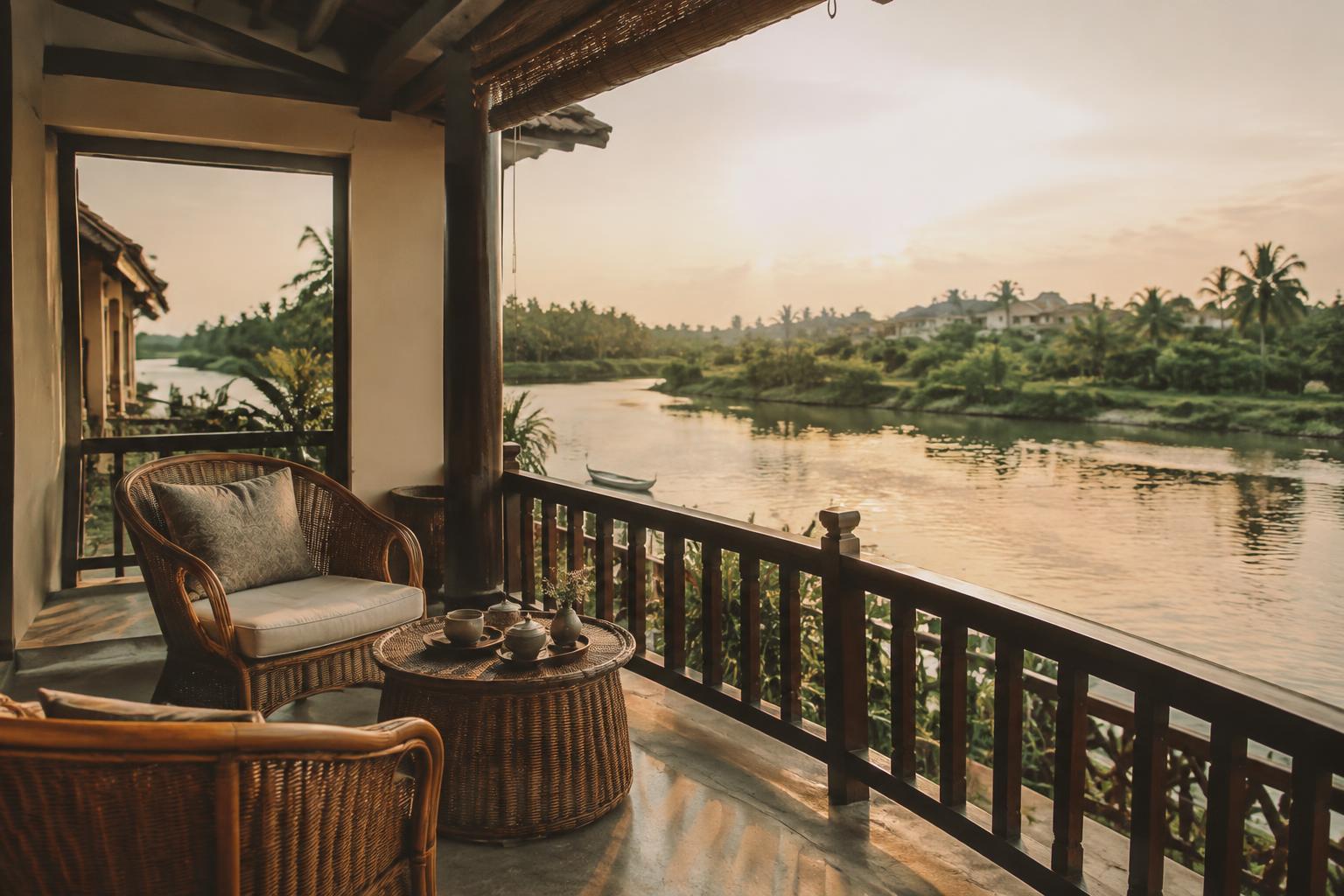
Slow travel in Vietnam is not defined by a luxury hotel or a completely empty itinerary. It means choosing a rhythm that gives you time to enjoy a place without continually packing, transferring and recovering. Comfort comes from decisions about location, transport, walking and downtime as much as from room category. A well-paced trip can include culture and discovery while still feeling like a holiday.
Count hotel changes, not only destinations
Each move has hidden costs in time and energy: packing, check-out, waiting, transport and settling into another room. A short flight can occupy much of a day once airport procedures and transfers are included. A two-night stay may provide only one full day in the destination.
For a slower trip, begin with fewer bases and consider three or more nights where your interests justify them. This is a planning preference, not a rule. An overnight cruise is also a change of accommodation and should be counted as such when deciding how much movement feels comfortable.
Choose a base that supports your daily life
A central hotel can reduce transfers and allow independent meals, but lively streets may also bring noise. A quieter property outside town may provide space while requiring a vehicle for most outings. Decide whether walking to a cafe, resting by a pool or being near a specific site matters more.
Ask practical questions about room access, lifts, steps, shower layout and the distance between rooms and common areas. 'Boutique', 'resort' and 'luxury' describe styles, not guaranteed accessibility. Confirm the actual room and facilities before relying on photographs or broad descriptions.
Hanoi and Ninh Binh: city detail and open landscape
In Hanoi, a slower stay might alternate a short guided visit with unstructured time around a neighbourhood, a lake or a cafe. You do not need to see all the major monuments on one day. Familiarity with a few streets can be more enjoyable than repeatedly crossing the city.
Ninh Binh introduces limestone scenery and a different tempo. Select a boat outing or countryside visit according to comfort, then leave part of the day open. If a viewpoint involves many steps, make it a conscious choice rather than an assumed requirement for everyone.
Central Vietnam: heritage with room to pause
Hue and Hoi An can form a slower cultural sequence when their individual interests are given enough time. Hue suits focused historical exploration; Hoi An offers a compact old town, food and access to surrounding countryside and coast. Adding more sites is not automatically an improvement.
A beach stay can provide downtime, but weather and location matter. A property advertised near Hoi An may not be walkable to the old town, and a beach may not be suitable for swimming every day. Check the travel season and choose the base for the experience you actually want.
Southern Vietnam: city energy balanced with quieter time
Ho Chi Minh City can be enjoyed slowly by choosing a small number of neighbourhoods and museums rather than filling every hour. A relaxed meal and an afternoon break may be more satisfying than several cross-city transfers. The Mekong Delta offers another perspective but should not be added as a hurried excursion solely because it is nearby on a map.
For a delta stay, verify the journey time, accommodation setup and daily programme. 'Quiet' does not necessarily mean step-free, air-conditioned or close to medical services. Comfortable travel requires specific information rather than a romantic description.
Make heat, walking and recovery part of the plan
Morning sightseeing, a midday rest and a shorter late-afternoon outing can work well in hot conditions. Northern cool periods may call for a different rhythm. Leave an arrival day light if your flight is long or sleep is uncertain.
State your comfortable walking duration and whether you need seated breaks, toilets or minimal stairs. For mixed-age groups, plan around the person whose limits are easiest to overlook. A private vehicle may help between places but does not remove steps inside a monument or uneven surfaces on a walk.
Spend selectively rather than upgrading everything
The most useful comfort choice might be a well-located room, one fewer domestic flight or a longer stay, not the most expensive accommodation everywhere. If your budget is limited, identify the moments where convenience matters most and where a simpler arrangement is acceptable.
Ask what any proposal includes, which transfers are private or shared and which parts remain unconfirmed. Do not assume that a free afternoon includes a guide or car on standby. Clear expectations often create more comfort than an impressive label.
A starting point for a slower itinerary
For roughly ten nights, consider two or three bases rather than attempting every region. For a longer trip, add a destination only when it offers something you value. These are illustrative approaches, not bookable packages or promised services.
Tell the concierge your preferred number of hotel changes, ideal wake-up time and priorities for independent time. A specialist can then discuss a realistic route and verify the arrangements before they become commitments.
Practical travel information
State your preferred number of hotel changes, walking duration and room requirements. Verify actual access, room configuration and transfer arrangements. Seasonal conditions and service availability remain subject to confirmation.
Tell us about the trip you're imagining
Nothing here is priced or booked. Start a conversation and an Asiatravel specialist designs the journey around you.