
Bay Cruises
Look beyond the cabin photograph to the whole journey.
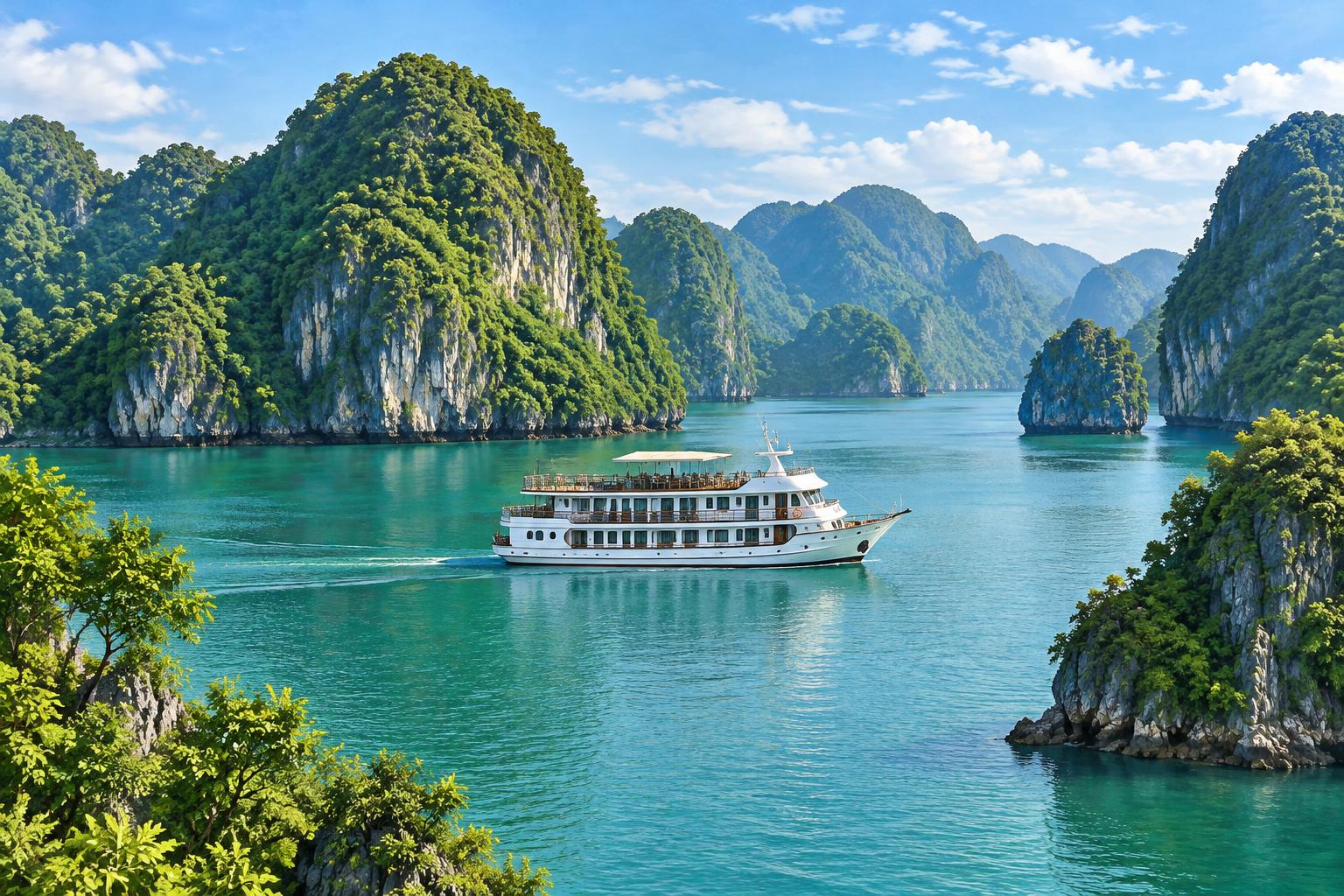
A cruise through northern Vietnam's limestone seascape can be a memorable part of a journey, but choosing one involves more than comparing boat photographs. Route, duration, embarkation point, cabin setup and weather arrangements all shape the experience. Begin with how much time you want on the water and what comfort means to your travellers.
Understand the bay names without overreading them
Ha Long Bay and the surrounding Cat Ba area form a landscape of limestone islands and waterways. Lan Ha Bay is another name you will encounter when comparing cruises. The UNESCO property is named Ha Long Bay–Cat Ba Archipelago, but that designation does not tell you which exact route a commercial boat will follow.
A bay label alone does not establish crowd levels, scenery quality or exclusivity. Ask for the proposed itinerary, boarding location and operator. Routes and permitted stops can change, and a description on an old website may not reflect current operation.
Day visit or overnight stay?
A day trip suits travellers who do not want to sleep on a boat or have limited nights, but road travel and boarding can make it a long day. Compare the actual time on the water with the whole door-to-door journey. A shorter visit may be appropriate when mobility or cabin preferences make an overnight stay less appealing.
An overnight cruise gives more time in the landscape and changes the rhythm, but it is also a hotel change with packing and transfer demands. A two-night programme may offer more time; ask whether it uses the same boat throughout or includes a transfer to another vessel. Do not assume that every longer cruise follows a quieter or more remote route.
Cabin details matter more than a category name
Check bedding, occupancy, bathroom setup, steps and the position of the cabin. A balcony, window or suite label does not define every detail or guarantee the view in a promotional photograph. Engine noise and movement can matter to light sleepers, so raise concerns before choosing.
For families, ask about children's ages, cabin arrangements and life jackets. For travellers with limited mobility, verify boarding and access between decks rather than relying on a luxury label. A ship's layout may be unsuitable even when the cabin itself appears spacious.
Read activities as conditional options
Kayaking, swimming, cave visits and shore excursions may appear on a programme, but availability depends on the operator, local permissions and conditions. Ask which activities are included, how demanding they are and what alternatives exist for those who do not participate.
Swimming confidence, steps, slippery surfaces and small-boat transfers all deserve attention. Confirm supervision and equipment, and check personal insurance where relevant. Never treat an AI-generated itinerary or a generic cruise description as confirmation that a specific activity is safe or operating.
Plan transfers with the same care as the boat
Identify the embarkation point, pickup arrangement and whether the transfer is private or shared. Shared transfers can involve additional stops or waiting, while a private vehicle still faces real road travel time. Confirm luggage handling and any requirements for child seats.
Avoid a tight onward flight or international departure immediately after scheduled disembarkation. Delays can arise even in otherwise suitable conditions. The right buffer depends on the actual connection, so ask for a door-to-door assessment rather than estimating from a map.
Weather changes are part of cruise planning
Cool mist, rain and storm conditions affect the atmosphere and operation differently. Seasonal guidance helps choose a window, but it cannot guarantee clear views or a sailing. Port or local authority decisions may require a cancellation or a changed route.
Ask how the operator handles disruption and read the terms in your actual proposal. There is no universal refund or substitute policy established by this guide. A flexible alternative day and sensible onward arrangements reduce the impact when the water-based plan cannot proceed.
Compare the full inclusion list
Review meals, drinks, transfers, entrance arrangements and optional activities rather than comparing cabin prices alone. Explain allergies and dietary needs early; the boat's kitchen and purchasing arrangements may limit substitutions. A private cabin is not the same as a private charter or exclusive dining.
The cheapest and most expensive options can each be a poor match if their route or layout does not suit you. Focus on the things you will notice: time on the water, meal rhythm, cabin comfort, activity choices and clarity of arrangements.
A useful cruise brief
Tell the concierge whether you prefer a day trip, one night or more time, and share mobility concerns, swimming confidence, children's ages and sleeping preferences. A specialist should verify the operator, current route, cabin and disruption arrangements before presenting them as commitments.
The limestone scenery is the reason to go; the practical choices determine whether you can enjoy it comfortably. Plan the whole journey, not only the boat.
Further reading
UNESCO — Ha Long Bay–Cat Ba Archipelago: https://whc.unesco.org/en/list/672/
Practical travel information
Verify the operator, embarkation point, cabin, transfers and activity suitability. Sailings and routes depend on weather and local decisions. Read the specific disruption and cancellation terms; this guide does not establish a universal policy.
Tell us about the trip you're imagining
Nothing here is priced or booked. Start a conversation and an Asiatravel specialist designs the journey around you.